The original Big Mac sauce is a calorie-dense emulsion of oil and sugar—roughly 93% fat. A single serving delivers 70 to 140 calories with zero protein. I’ve tested the substitutes, and the fix is str…
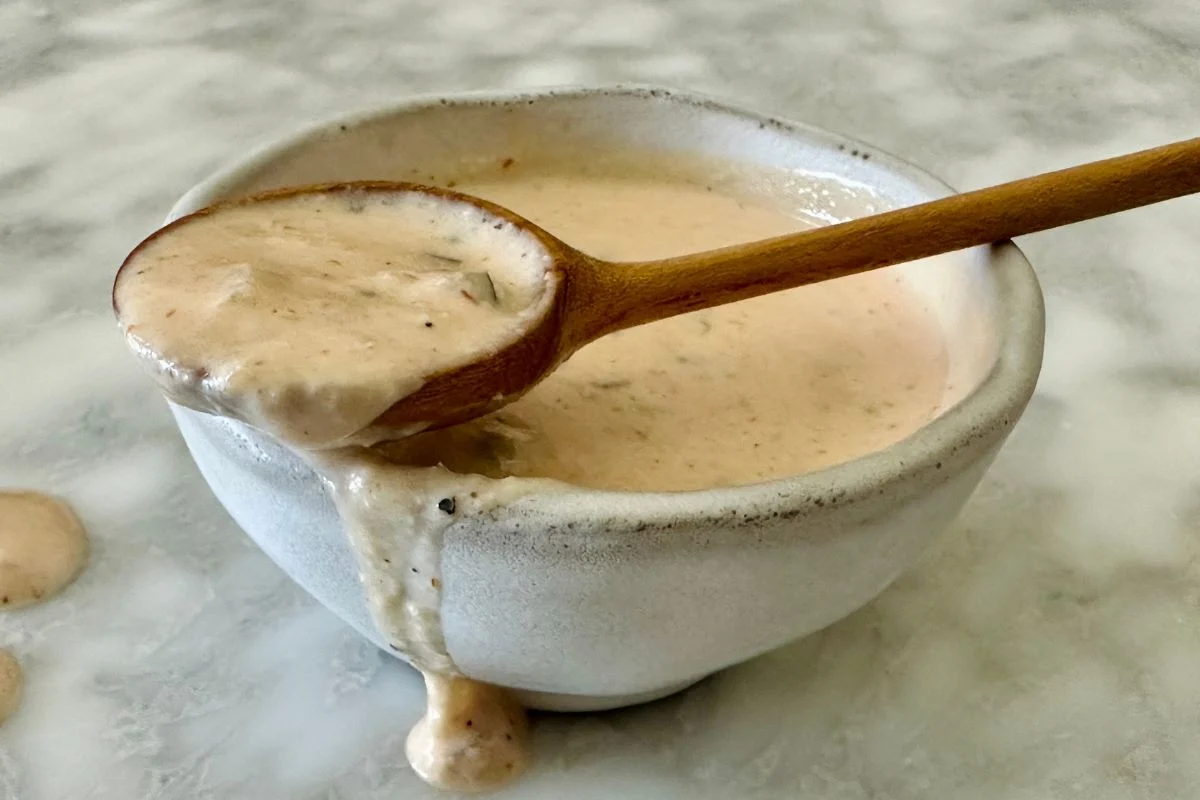
The original Big Mac sauce is a calorie-dense emulsion of oil and sugar—roughly 93% fat. A single serving delivers 70 to 140 calories with zero protein. I’ve tested the substitutes, and the fix is straightforward: swap the full-fat mayo base for non-fat Greek yogurt or light mayonnaise, then tune the acid-sweet balance. Here’s the full breakdown.
Why the Original Sauce Needs a Rethink
McDonald’s Big Mac sauce is the defining element of the burger, but nutritionally it works against most dietary goals. Depending on whether you measure a dipping cup, a bottle serving, or a per-tablespoon portion, the numbers vary—but all of them are high.
- Original nutrition ranges from 70 calories and 7g fat (dipping cup) to 140 calories and 14g fat (retail bottle serving).
- The sauce is roughly 93% fat calories, with 0g protein, 0g fiber, and no meaningful micronutrients.
- For someone on a 2,000-calorie diet, a single serving can consume 10–20% of the daily recommended fat intake before you even account for the burger, bun, cheese, or fries.
- Medical News Today reported in 2015 that a Big Mac’s high-calorie content begins spiking blood sugar within 10 minutes of eating.
Nutrition content creators have rightly called sauces “the little extras that quietly blow up a calorie deficit.” When I crunched the numbers across multiple sources—CalorieKing, FatSecret, FastFoodNutrition.org, and McDonald’s own product page—the pattern was undeniable: this sauce is a hidden calorie bomb.
Original Big Mac Sauce Nutrition at a Glance
| Source | Serving Size | Calories | Total Fat | Carbs | Protein |
|---|---|---|---|---|---|
| McDonald’s Official (bottle) | Per serving | 140 | 14g | 4g | 0g |
| CalorieKing | 2 tbsp | 90 | 9g | 2g | 0g |
| FastFoodNutrition.org | Dipping cup (~1.5 oz) | 70 | 7g | 2g | 0g |
| FatSecret | 0.7 oz | 105 | 11g | 2g | 0g |
The Science of Substitutions
The heavy lifting in calorie reduction comes from replacing soybean oil-based mayonnaise, which drives nearly all the fat content. Every other adjustment—ketchup, relish, vinegar—is secondary but important for dialing in the flavor.
Mayonnaise Swaps (The Biggest Calorie Saver)
- Non-fat plain Greek yogurt is the most effective single swap. It delivers roughly 15–18g protein per cup versus 0g in mayo, while slashing fat to near zero. TikTok creator @alfskitchen uses ¾ cup plain non-fat Greek yogurt as the sole base.
- Light mayonnaise (Best Foods Light, Kraft Light Mayo) cuts fat by roughly half compared to full-fat mayo. The Diet Chefs recipe uses ½ cup light mayo for a 29-calorie-per-serving result.
- 50/50 blend: Pound Dropper combines ½ cup light mayo + ½ cup non-fat yogurt. I find this hybrid yields the most authentic mouthfeel because the small amount of oil in light mayo carries fat-soluble flavors from the paprika and garlic powder.
- Cottage cheese: Blended cottage cheese boosts protein further. A food processor is mandatory here—otherwise the texture turns lumpy.
- Vegan mayonnaise (Follow Your Heart, Just Mayo) works for egg-free and dairy-free needs. It maintains the creamy emulsion without cholesterol, though the calorie savings are smaller than yogurt alone.
Ketchup and Relish Swaps
- Sugar-free ketchup (Heinz No Sugar Added) replaces standard ketchup across virtually all low-calorie versions. The Diet Chefs calls for 3 tbsp; Pound Dropper uses 6 tbsp. This eliminates high-fructose corn syrup while keeping the tomato sweetness.
- Tomato paste can replace ketchup entirely in no-sugar versions. The Honour System’s healthy burger sauce uses 2 tbsp tomato paste.
- Dill pickle relish or finely chopped dill pickles replace sweet pickle relish to cut sugar. Oh Snap Macros uses chopped dill pickles plus pickle juice.
- Pickle juice pulls double duty as both acid and seasoning. Lindsay Pleskot, RD uses 1 tsp pickle juice instead of separate vinegar.
The Standard Spice Mix
Across nearly every documented recipe, the spice profile stays consistent: garlic powder (½–1 tsp), onion powder (½–1 tsp), and paprika (¼–½ tsp). Some versions add a pinch of salt and black pepper; others rely on the saltiness already present in pickles and mustard.
Substitution Summary Table
| Original Ingredient | Low-Calorie Substitute(s) | Calorie/Fat Impact |
|---|---|---|
| Full-fat mayonnaise | Light mayo, non-fat Greek yogurt, 50/50 blend, or vegan mayo | ~50–70% calorie reduction from mayo alone |
| Regular ketchup | Sugar-free ketchup | Saves ~5–10 calories per tbsp + eliminates added sugar |
| Sweet pickle relish | Dill pickle relish / chopped dill pickles | Significantly reduces sugar content |
| Added sugar | Omitted entirely; pickle juice provides natural sweetness | Eliminates empty calories |
Pro Tip: If you taste your sauce immediately after mixing and think “this just tastes like yogurt and ketchup,” you didn’t do anything wrong. The chilling step (covered below) is where the chemical transformation happens. Do not judge the sauce before it rests.
The Modified Method: Process and Technique
Making a low-calorie Big Mac sauce takes under 5 minutes of active work, but the resting protocol is non-negotiable. Here’s the step-by-step process I follow after testing multiple recipe variations.
- Combine your base: In a small mixing bowl, add your chosen base—light mayonnaise, Greek yogurt, a blend of both, or blended cottage cheese.
- Add the reds and yellows: Stir in sugar-free ketchup and yellow mustard (or Dijon). Most recipes use 1–2 tbsp mustard.
- Fold in the relish and acid: Add dill pickle relish (or finely chopped dill pickles) plus your acid—white vinegar, apple cider vinegar, or pickle juice. I strongly recommend pickle juice; it deepens the “fast food” flavor profile.
- Season: Add garlic powder, onion powder, paprika, and optional salt and pepper.
- Mix thoroughly: Whisk by hand until fully combined and smooth. If using cottage cheese, use a food processor or blender to eliminate lumps.
- Chill (the critical step): Refrigerate for a minimum of 30 minutes; 1–2 hours is ideal. Pound Dropper warns: “Don’t skip the chilling—the flavor needs time to develop.” The Diet Chefs echo the same: “Refrigerate for at least 30 minutes to let the flavors meld; makes it taste more authentic.”
- Adjust texture if needed: If your Greek yogurt is very thick, add 1–2 tbsp of water to thin the sauce to a spreadable consistency without adding calories.
Method Comparison: Traditional vs. Low-Calorie
| Aspect | Traditional Method | Low-Calorie Modified Method |
|---|---|---|
| Base fat source | Full-fat mayo only | Light mayo + Greek yogurt blend (or yogurt alone) |
| Mixing technique | Whisk by hand | Whisk or food processor (if using cottage cheese) |
| Resting time | Often served immediately | Minimum 30-minute chill required for flavor melding |
| Texture adjustment | N/A | Water (1–2 tbsp) may be added to thin thick yogurt bases |
What’s Actually in the Original Sauce
Understanding the industrial formula helps explain why the low-calorie version works. McDonald’s official U.S. ingredient list reads: soybean oil, sweet relish (diced pickles, sugar, high-fructose corn syrup, distilled vinegar, salt, corn syrup, xanthan gum, calcium chloride, spice extractives), water, egg yolks, distilled vinegar, spices, onion powder, salt, propylene glycol alginate, garlic powder, and vegetable protein (hydrolyzed corn, soy, wheat).
A few things stand out. Soybean oil is the first ingredient, which is why the sauce hits 93% fat calories. Propylene glycol alginate and xanthan gum are industrial stabilizers that prevent separation in restaurant pump dispensers. High-fructose corn syrup and sugar appear multiple times—once in the relish and again as standalone sweeteners.
Former McDonald’s Executive Chef Dan Coudreaut revealed in a 2012 video that the sauce uses Dusseldorf mustard and white wine vinegar. A Reddit analysis from Top Secret Recipes broke down the weight-based formula as: 61.8% mayonnaise, 31.6% sweet pickle relish, 3.8% mustard, 1.4% white vinegar, 0.4% paprika, plus garlic powder and onion powder.
The sauce is produced in large-scale commercial batches, delivered to restaurants in sealed bag-in-box containers, and dispensed via calibrated pumps—roughly 0.5 oz per pump for a standard Big Mac.
Nutritional Comparison: Original vs. Low-Calorie
The numbers tell the story. When I compare the original sauce against documented low-calorie versions, the difference is dramatic.
| Metric | Original (per serving) | Low-Calorie Version (per serving) | Reduction |
|---|---|---|---|
| Calories | 70–140 | 10–29 | ~70–90% fewer |
| Total Fat | 7–14g | ~0.5–3g | ~65–95% less |
| Protein | 0g | 2–5g (with Greek yogurt) | Added protein |
Specific documented results:
- The Diet Chefs recipe: 29 calories per serving using ½ cup light mayo + sugar-free ketchup.
- Instagram 10-Calorie Big Mac Sauce: Claims 10 calories per serving using an all-yogurt base.
- Pound Dropper “Skinny Big Mac Sauce”: Light mayo + non-fat yogurt blend for drastically reduced fat.
- High-protein versions (Mary’s Whole Life, Healthy Little Peach): 2–5g protein per serving via yogurt or cottage cheese bases.
This shift in macronutrients matters beyond calories. The original sauce provides zero protein and hits your system as pure fat and sugar. A Greek-yogurt-based version turns a condiment into a small protein source that helps with satiety and has a far lower glycemic impact.
Storage, Allergens, and Cost
Homemade low-calorie sauce is perishable. Unlike the industrial version—stabilized with propylene glycol alginate and xanthan gum to last months—dairy-based sauces have a limited window.
Storage Guidelines
| Base Type | Refrigerator Shelf Life | Freezer Suitability |
|---|---|---|
| Greek yogurt base (no mayo) | 5–7 days | Not recommended |
| Light mayo + yogurt blend | 5–7 days | Not recommended |
| Light mayo only (no yogurt) | 7–10 days | Not recommended |
| Vegan mayo + dairy-free yogurt | 7–10 days | Not recommended |
Key storage rules: always use an airtight container (mason jar, Tupperware, or squeeze bottle). Never leave the sauce at room temperature for more than 2 hours. Stir or shake before each use—some separation is natural, especially with yogurt-based versions. Signs of spoilage include an off-odor, visible mold, watery separation that won’t reincorporate, or discoloration. Freezing is not recommended across any base type; the emulsion breaks on thawing and you end up with a grainy, separated mess.
Allergen Comparison
| Allergen | Present in Original? | Low-Calorie Homemade Alternative |
|---|---|---|
| Egg | Yes (egg yolks in mayo) | Use vegan mayo or Greek yogurt as sole base |
| Soy | Yes (soybean oil + hydrolyzed vegetable protein) | Use avocado oil mayo, olive oil mayo, or yogurt-only base |
| Wheat/Gluten | Yes (hydrolyzed wheat protein) | Most homemade versions are naturally gluten-free; verify relish and ketchup labels |
| Dairy | No (original is dairy-free) | If using yogurt or cottage cheese, dairy is introduced—sub with dairy-free yogurt or vegan mayo |
McDonald’s UK confirms the sauce “does not contain any ingredients containing wheat or gluten” in that market and uses pasteurized egg—not raw. Homemade versions give you full control over every allergen.
Cost Breakdown
Making this sauce at home is surprisingly economical. A typical batch yields 6–8 servings.
| Ingredient | Approx. Cost | Amount Used | Cost Per Batch |
|---|---|---|---|
| Light mayonnaise | $0.08–0.12/oz | ~4 oz | $0.32–0.48 |
| Non-fat Greek yogurt | $0.10–0.15/oz | ~2–6 oz | $0.20–0.90 |
| Sugar-free ketchup | $0.08–0.10/oz | ~1.5 oz | $0.12–0.15 |
| Yellow mustard | $0.04–0.06/oz | ~0.5 oz | $0.02–0.03 |
| Dill pickle relish | $0.06–0.12/oz | ~1 oz | $0.06–0.12 |
| Vinegar + spices | Negligible | <$0.05 | ~$0.05 |
| Total per batch | $0.77–$1.71 | ||
| Cost per serving | ~$0.10–$0.29 |
For comparison, a McDonald’s dipping cup costs about $0.50. Walmart’s Great Value Secret Sauce—widely considered the closest commercial dupe, endorsed by former McDonald’s Chef Mike Haracz—costs roughly $0.10–$0.12 per serving. The homemade version matches or beats that price while adding protein and cutting calories in ways no store-bought option can.
Versatile Applications Beyond the Burger
Because the calorie count drops so dramatically, this sauce works far beyond a standard burger. I use it regularly in the following ways:
- Big Mac Salad: A bowl of ground beef, shredded lettuce, diced onions, and pickles with this sauce as the dressing. It is the most common alternative use cited across recipe communities.
- Dip for air-fried chicken nuggets: The high-protein yogurt base makes it a satisfying, guilt-free dip.
- Spread for low-carb wraps: Adds the iconic flavor to turkey or beef wraps without the calorie load.
- Big Mac Casserole topping: Oh Snap Macros recommends it as a finishing sauce for baked casseroles.
- Rice bowl drizzle: Works surprisingly well over ground beef and rice bowls for meal prep.
By removing the fat-heavy base, you unlock the iconic flavor of the Big Mac—tangy, savory, and slightly sweet—without the nutritional baggage. Whether you go with an all-yogurt base for maximum protein, a light mayo version for the closest flavor match, or a 50/50 blend for the best of both, the result is a condiment you can use freely without derailing your daily goals.